


The daily ballet class is both a necessity and an opportunity. For professional dancers and serious students alike, it is a chance to excel, fine-tune, and push this highly technical craft forward. But have you ever felt absent in that class? Unmotivated? No clearer on your technique after ninety minutes than when you walked in? You are not alone. Getting the most out of your daily ballet class takes more than just showing up.
Why Your Mindset Before Class Matters
Professional dancers treat the daily class as a blank slate. Whatever happened in rehearsal yesterday, whatever feedback stung, the class floor is where you reset. Walk in with one clear intention. It does not need to be ambitious. It might be as specific as keeping your standing hip down in tendus, or breathing through your port de bras. One focused goal beats a vague wish to "do better."
If you want an honest look at how working professionals approach daily training, our conversation with professional dancer Jacinta Seivers is worth a read. Her perspective on consistency in daily class is genuinely grounding.
Arrive Early and Warm Up Properly
Cold muscles do not respond. A rushed warm-up leads to guarded movement, and guarded movement becomes a habit. Aim to arrive at least fifteen minutes before barre begins. Use that time to roll out, mobilise your ankles and hips, and mentally prepare. The barre is not your warm-up. It is your first opportunity to train.
Use the Corrections in the Room, Not Just Your Own
This is one of the most underused tools in any ballet class. When your teacher corrects another student, apply it to yourself immediately. Do not wait. Most corrections in a group class are relevant to everyone. Dancers who absorb corrections given to others progress faster than those who only respond when their own name is called.
How To Get The Most Out Of Your Daily Ballet Class Through Reflection
After class, spend two minutes in reflection before you move on. What worked? What did not? What do you want to carry into rehearsal today? Keeping a short training journal is a simple habit that builds significant self-awareness over time. It does not need to be elaborate. Three sentences is enough.
Our resident writer Leah Van Lambaart brings a thoughtful dancer's perspective to these kinds of habits. Her story and approach to the craft are well worth exploring if you are looking for practical inspiration.
Physical Preparation Counts Too
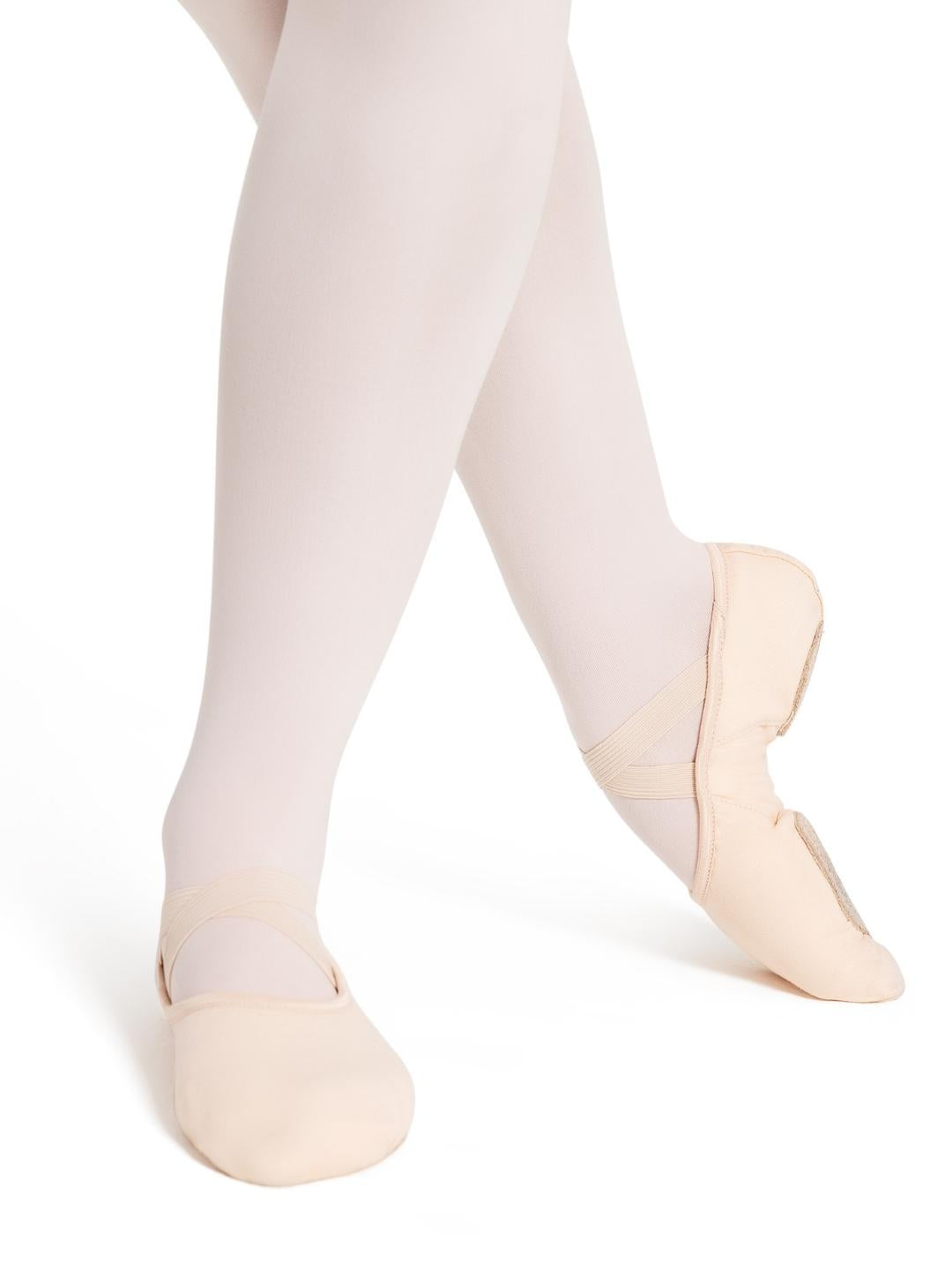
What you wear to class affects how you move and how your teacher sees your alignment. Fitted, clean dancewear lets corrections land accurately. Baggy layers hide the very lines your teacher needs to assess. If your ballet wardrobe needs attention, browse our ballet dancewear range for well-fitted leotards, tights, and warm-up layers suited to daily training.
- Choose a leotard that sits flat across the chest and does not gap at the leg.
- Tights should be firm but not restrictive through the hip and thigh.
- Warm-up layers should be easy to remove mid-class as your body temperature rises.
- Pointe shoe ribbons and elastics need to be secure before you walk onto the floor, not fixed at the barre.
Treat Every Exercise As Performance
Tendus are not warm-up filler. They are where footwork, turnout, weight placement, and epaulement are built. Dancers who treat the opening exercises as a chance to coast are wasting the most trainable part of class. The combinations get harder. The foundation you build in the first twenty minutes holds everything else up.
Rest and Recovery Are Part of the Work
Daily class on a depleted body leads to compensation patterns, not progress. Sleep, nutrition, and recovery are not separate from training. They are part of it. If you are consistently fatigued heading into class, something in your routine needs adjusting. Pushing through exhaustion every single day is not dedication. It is how injuries start.
Sheree Ronai-Horvath speaks candidly about her professional dance journey, including the discipline required to sustain a career at the highest level. Her approach to training is a reminder that longevity in dance requires smart decisions, not just hard ones.
One Class Is One Brick
No single class will transform your technique. But every class is a brick in something much larger. Show up prepared, stay present, apply corrections, reflect briefly, and rest well. Done consistently, that process builds dancers who last.


