


Teaching dance is one of the most layered and demanding roles in the arts. It takes technical skill, emotional intelligence, and a genuine commitment to every student in the room. Whether you are a dance parent trying to understand what makes a great teacher, a student wondering what to look for, or a teacher reflecting on your own practice, this article is for you.
What Teaching Dance Actually Requires
Most dance teachers arrive at the studio via one of two paths. The first is the childhood dancer who fell in love with movement and never wanted to leave. The second is the professional performer who, after years on stage, turns that hard-won experience into education.
Both paths are valid. Both produce excellent teachers. But the path alone does not make someone great at teaching dance. What matters is what they do with that background.
A strong dance teacher brings:
- Clear, consistent communication that works across age groups
- The ability to break down complex technique into steps a student can physically follow
- Patience with different learning speeds and body types
- Honest feedback delivered in a way that builds confidence, not erodes it
- A commitment to staying current with syllabus requirements and safe training practices
Technical knowledge matters. But how a teacher communicates that knowledge is what actually changes a student's dancing.
The Background Behind the Teacher
Not every great performer becomes a great teacher. And not every great teacher had a standout performance career. This is something dance parents often misunderstand when choosing a studio.
A teacher who competed at the highest level may have deep instincts around performance quality. A teacher who spent years training across multiple styles may bring broader technical range. A teacher who has worked with young children for a decade may have unmatched skills in managing a mixed-ability class.
Ask studios about their teachers' backgrounds. Ask what ongoing training or professional development their staff undertake. Good studios invest in their teachers continuing to learn, not just their students.
Our own team at Total Dance has always valued that approach. Writers like Teagan Lowe bring that same philosophy to how we talk about dance, grounding everything in real experience rather than theory.
Finding the Right Teacher for Each Student
There is no single teacher who is best for every student. The right match depends on the child's personality, goals, and learning style.
Some students thrive with a teacher who pushes hard and sets high standards. Others need a gentler, more encouraging approach before they find their confidence. Neither student is wrong. Neither teaching style is wrong. The skill is in recognising which student needs what.
If your child comes home from class consistently flat or anxious, it is worth having a conversation with the studio. Not every teacher-student pairing works. That is not a failure. It is just information.
Equally, if your child is lit up after class and talking about what they learned, that teacher is doing something right. Hold onto that.
What Dance Parents Can Do to Support the Teaching Process
Teachers can only do so much in a one hour class. What happens outside the studio matters just as much.
- Encourage regular practice at home, even for just ten minutes
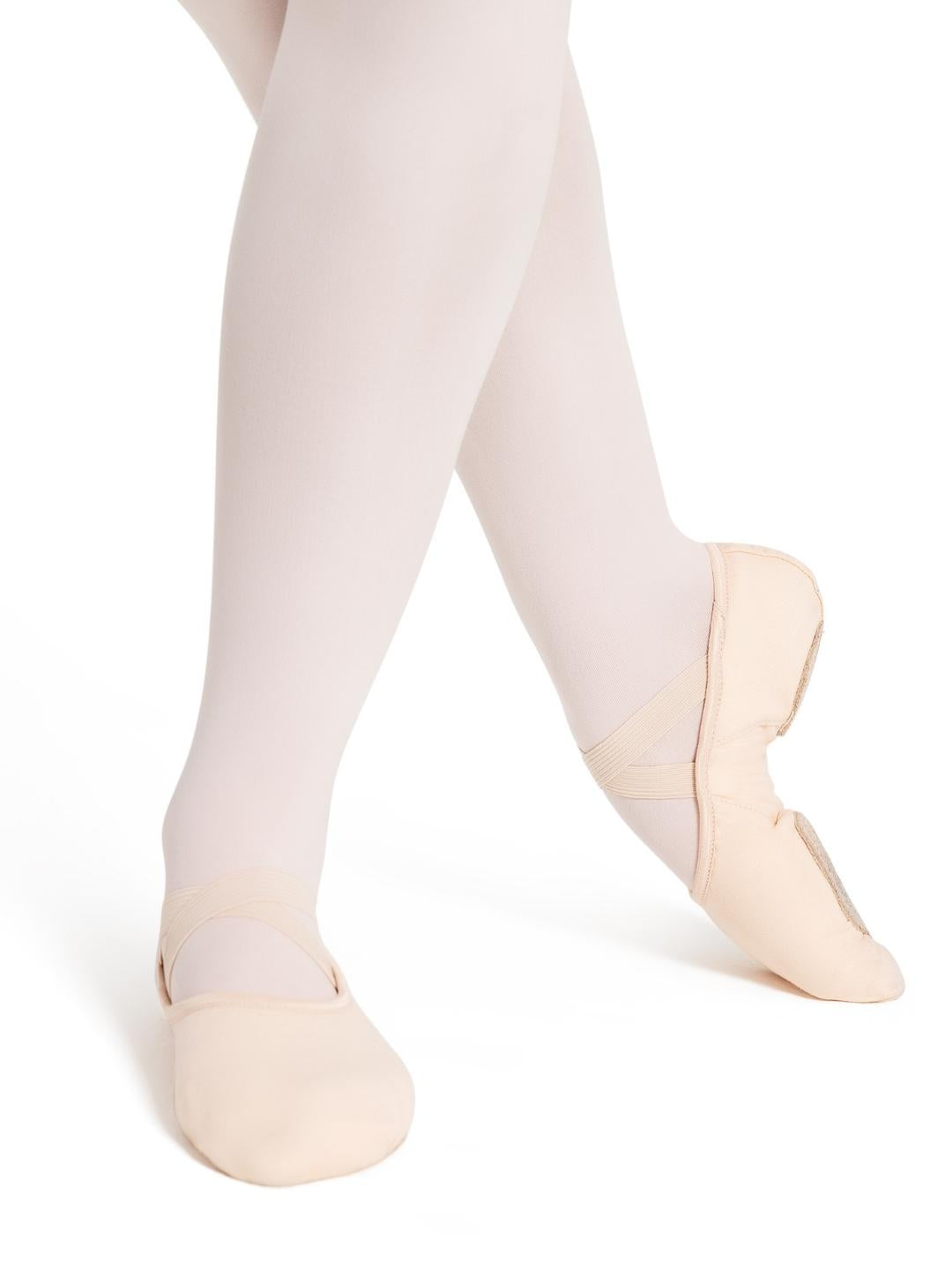
- Make sure your child arrives to class in proper dancewear. Loose clothing makes it harder for a teacher to see alignment and correct technique.
- Keep communication with the studio open and respectful
- Trust the process. Progress in dance is rarely linear.
- Let your child make mistakes without rescuing them. Learning to recover is part of the training.
Proper dance attire is genuinely practical, not just aesthetic. A leotard and tights allow a teacher to see the body clearly and give accurate corrections. If you are not sure what your child's studio requires, check with them directly or browse our dancewear range for options suited to class.
For Teachers: Keeping Your Own Practice Strong
If you teach dance, you already know the role never really switches off. You are watching movement at the supermarket. You are mentally cueing corrections while eating dinner.
That dedication is what makes a good teacher. But it also needs to be sustained. Burnout in dance education is real. Staying connected to why you started teaching matters.
Reading about the work others are doing in the industry helps. The piece on the value of always improving is worth a read if you are reflecting on your own growth as a teacher.
Looking after how you present yourself in the studio also sends a message to students. Wearing proper studio attire to class, not gym gear or streetwear, sets a professional standard. Our studio wear collection has options designed specifically for teachers who want to look the part while moving freely.
Teaching Dance Is a Long Game
The impact of a great dance teacher often takes years to fully show up. Former students come back as adults and credit a specific teacher for how they learned to carry themselves, how they handle pressure, or how they learned to keep going when something felt impossible.
That is the real measure of teaching dance well. Not competition results. Not syllabus grades. The student who, years later, still remembers what you taught them.


